
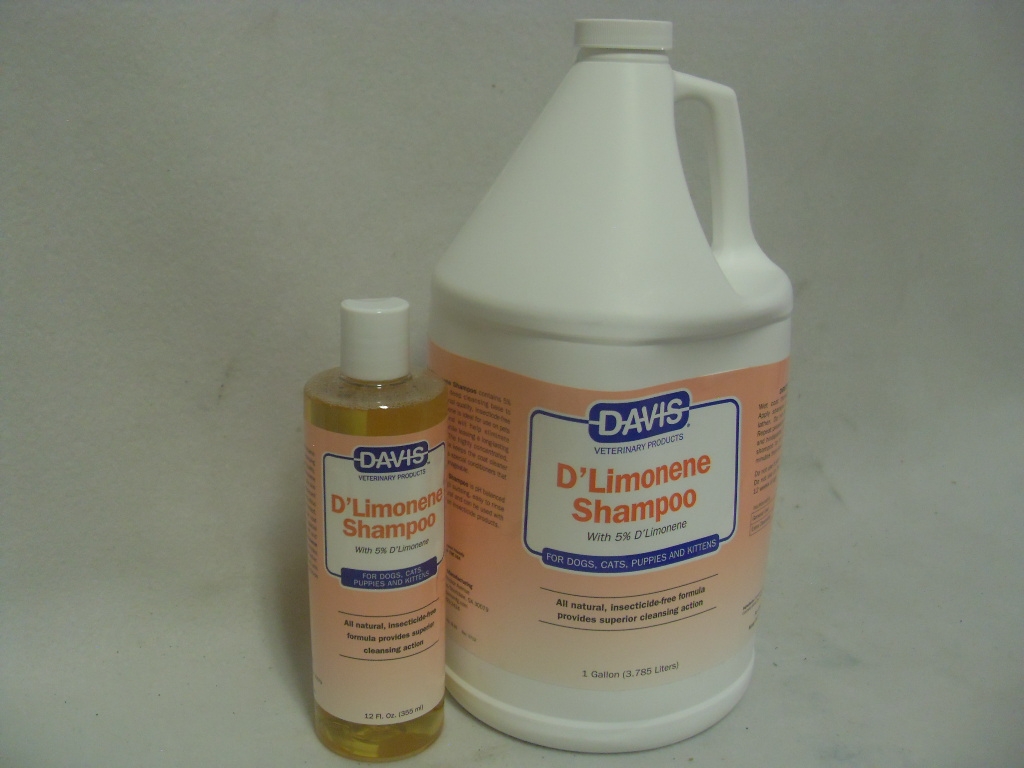
Davis D’Limonene Shampoo for Dogs, Cats – 12 Oz – Gal
Davis D’Limonene Shampoo for Dogs, Cats – 12 Oz – Gal is natural deep cleaning and degreasing concentrate is known for its effectiveness when a non-insecticidal approach is desired.
Davis D’Limonene Shampoo for Dogs, Cats – 12 Oz – Gal is natural deep cleaning and degreasing concentrate is known for its effectiveness when a non-insecticidal approach is desired.
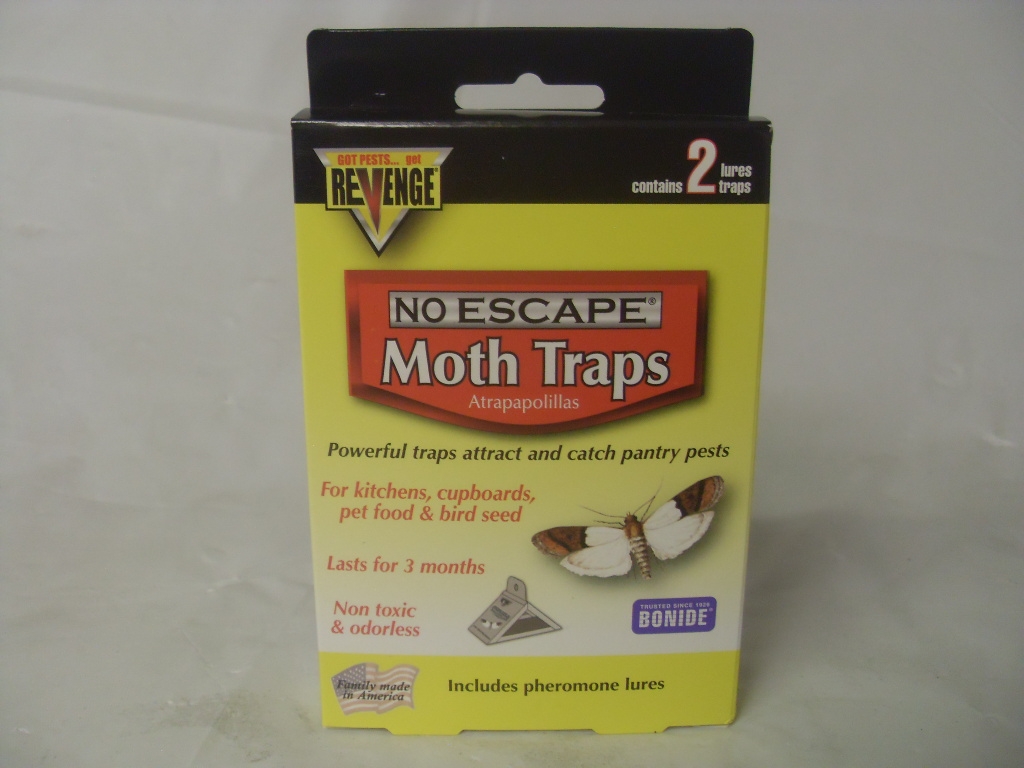
Revenge Pantry Moth Traps – Pack of 2 Traps captures pantry pests for kitchens, cupboards, pet food, bird seed with pheromone lure.
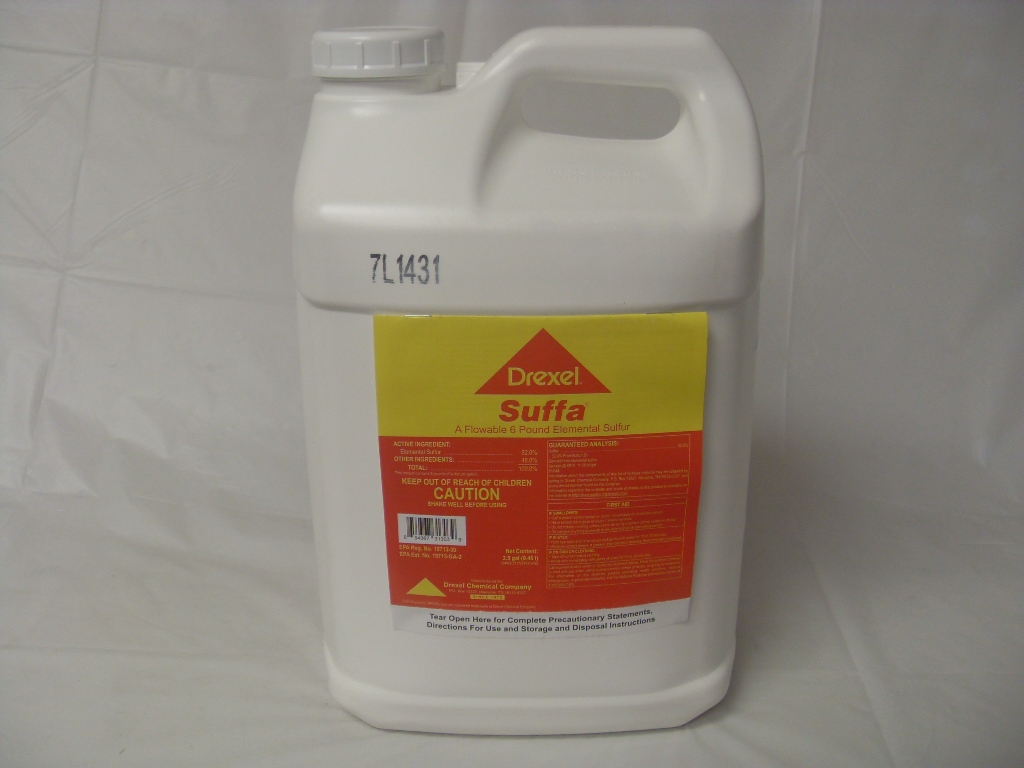
Drexel Suffa A Flowable 6 Pound Elemental Sulfur – 2.5 Gallon is a flowable fungicide for the control of a variety of diseases in Citrus, Field, Fruit, Nut, Ornamental, Turf and Vegetable applications.
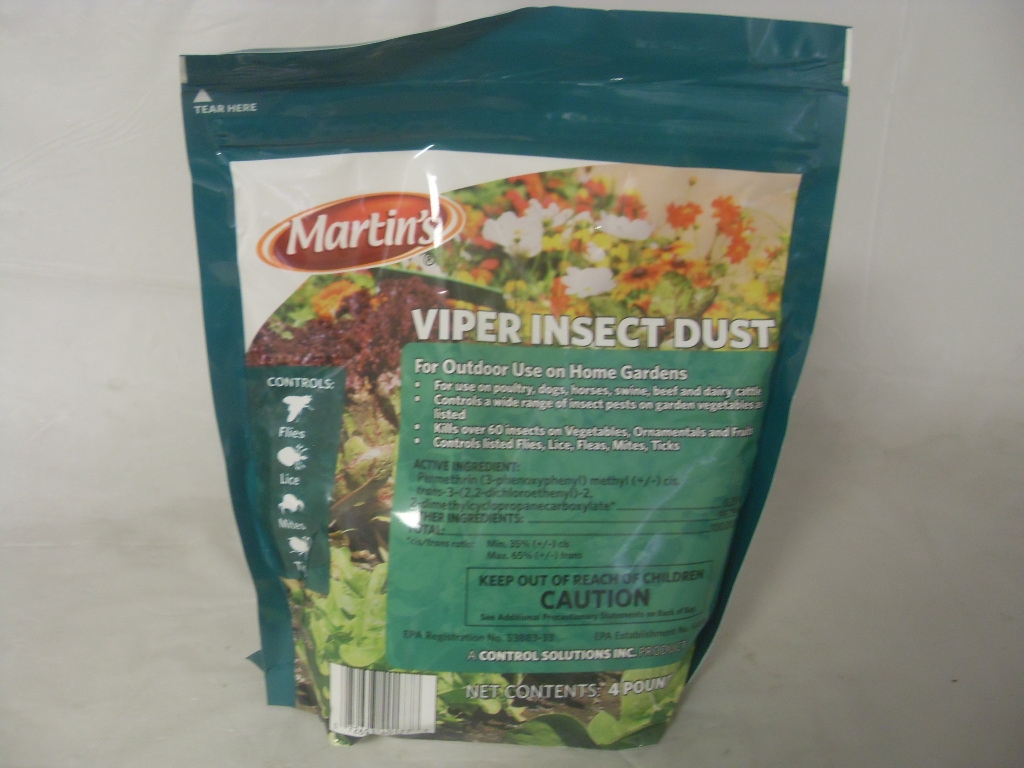
Martins Viper Insect Dust for Gardens – 4 Lb controls insects on vegetables, flowers and fruits in the garden can be use without any applicator.
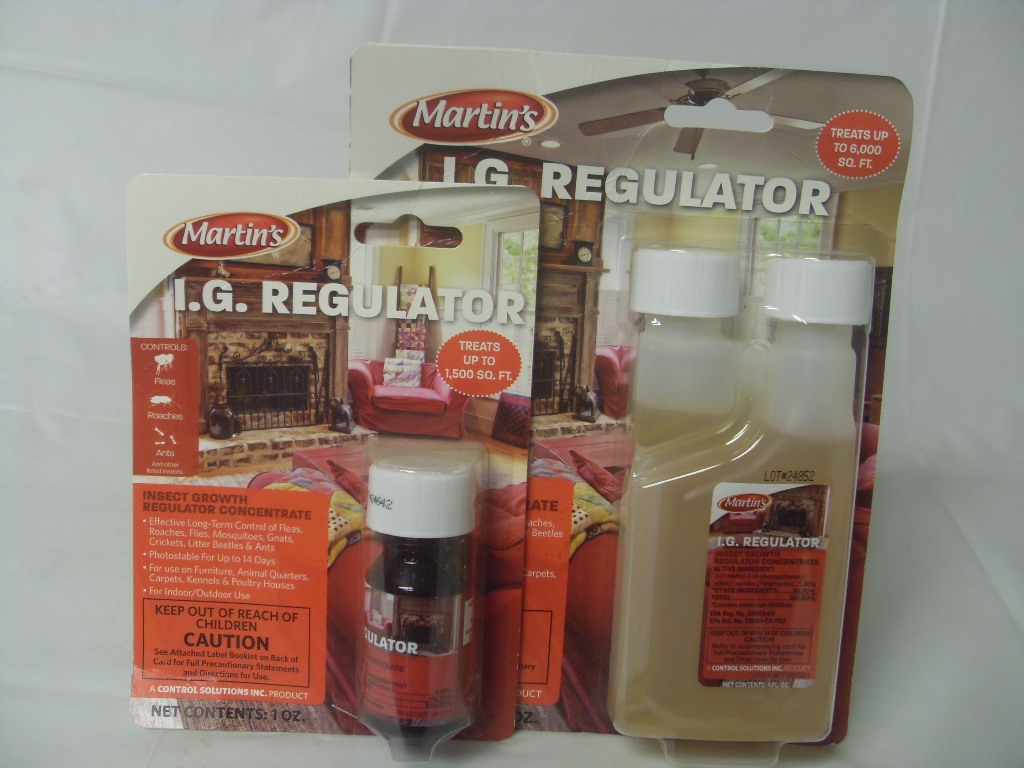
Martins I G Regulator – 1 – 4 Oz is an insect growth regulator inhibits reinfestation of fleas for up to seven months.
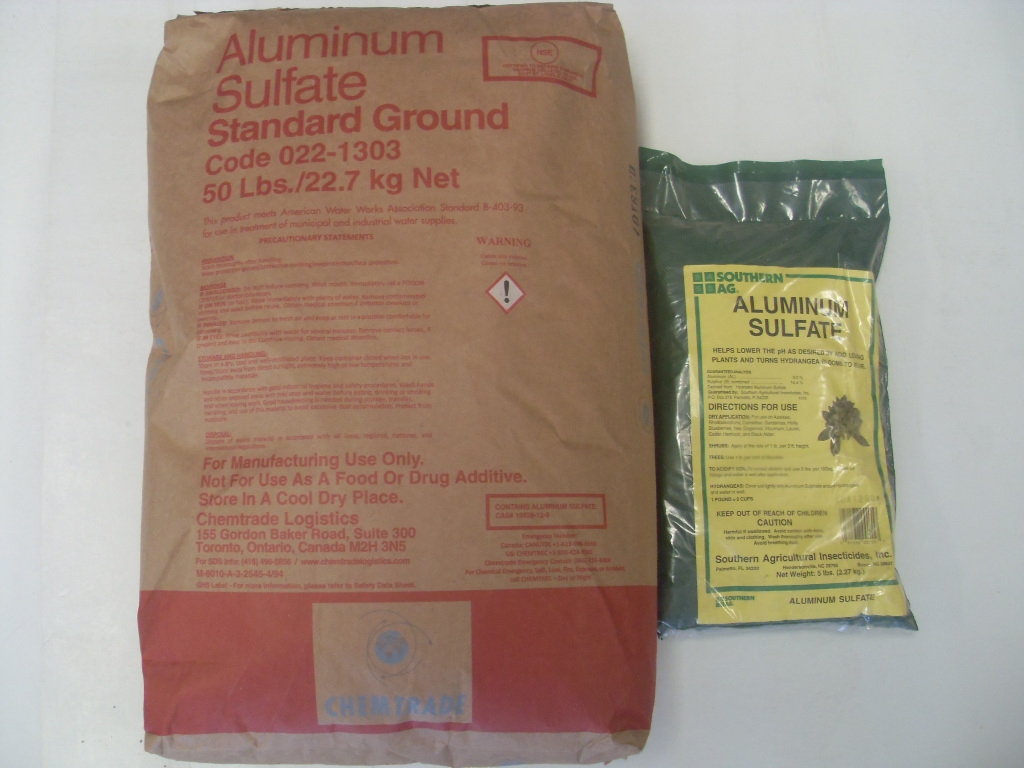
Aluminum Sulfate Granules Fertilizer – 5 – 50 Lb help lower the PH as desired by acid loving plants and turns hydrangea blooms to blue.
The U.S. suffered through one of its hottest summers on record. The sweltering temperatures spurred a significant increase in the flea population, which thrives in hot and humid environments. Flea pupae can lay dormant throughout the cold winter months and reawaken during summer if left undisturbed, making the summer and fall months time to take action. If your pets exhibit any signs of having fleas this season, immediate flea removal and extermination is of the utmost importance in order to prevent you and your pets from harm.
One concern with preemergence herbicide use is timing of application. In a typical year, the earliest germinating crabgrass may be killed by subsequent frosts. However, in order to be effective, the preemergence herbicide must be applied before the first crabgrass that germinates following the last frost. It must also be activated by either rainwater or irrigation after application. Typically, they are applied two to three weeks earlier, when an indicator plant, such as Forsythia in the northern United States or dogwoods in South, bloom.